


Recycling And Transporting Space Waste
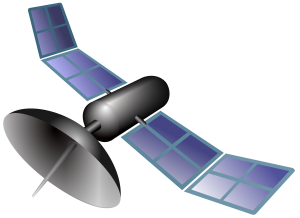 From the beginning of the space race we have been launching objects into orbit around the earth that all have limited lifespans. Everything from satellites used for communications, mapping, weather forecasting, and GPS (Global Positioning System) tracking on earth to the booster rockets used to launch spacecraft from the hold of earth’s gravity. With all of this accumulating waste, there has not been a comprehensive plan for removing or recycling this orbiting junk.
The Space Waste Problem
According to a 2011 report from the National Research Council, “Derelict satellites, equipment and other debris orbiting Earth (aka space junk) have been accumulating for many decades and could damage or even possibly destroy satellites and human spacecraft if they collide.” Left unchecked, this problem will continue to grow as space debris collides with functioning satellites which will add to the challenge.
While some space trash falls out of orbit and incinerates during re-entry into the earth’s atmosphere, there have been many examples in recent years of these objects making impact with the ground or falling into the world’s oceans. Compounding this problem is the fact that many of these objects contain toxic or hazardous materials.
Possible Space Waste Answers
As development in commercial spaceflight and exploration shifts to the private sector, now is the time to focus on dealing with this expanding problem and to develop strategies that will support future opportunities. A perfect starting point for seeking solutions to space waste issues is the earth-bound waste management and recycling industry. Looking to industry leaders and pioneers from this arena can greatly shorten the space waste management learning curve. It also allows opportunities for creative applications of industry standards to the unique challenges operating in space will present. Building on the wealth of knowledge and years of experience found within the existing waste management and recycling industry is a smart and timely move.
http://www.recycleguide.org/space-waste-dispose-rolloff-dumpsters
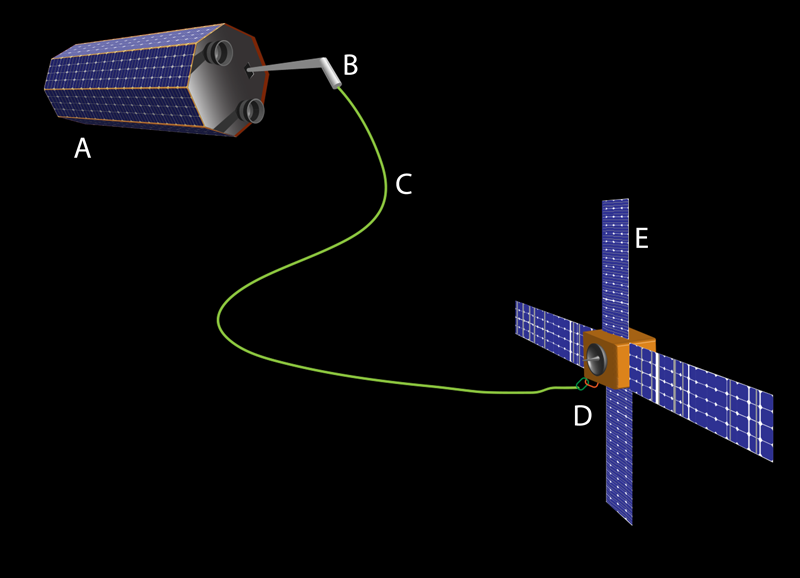
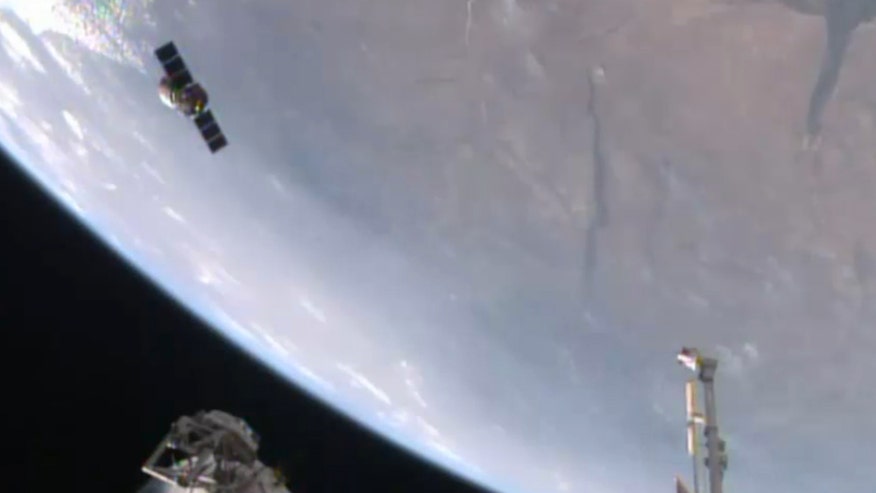


 Since the birth of the space race in 1955 humanity has literally launched thousands of objects into orbit around the earth, all have limited lifespans. Everything from satellites used for communications, mapping, weather forecasting, and global positioning (GPS) tracking on earth to the booster rockets used to launch spacecraft from the hold of earth’s gravity. The amount of debris orbiting the Earth from both government and commercial sources is startling. The US Space Surveillance Network
 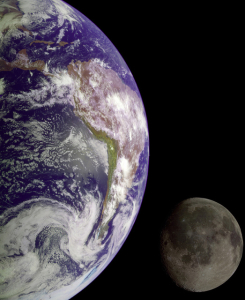 Imagine waking up on vacation in zero gravity. You float over to the window and look out on your view of the Earth just as the Sun peeks over the horizon. It’s almost impossible to pull yourself away from the breathtaking view but the knock on your door must be answered. Room service has arrived with your breakfast and it’s time to make the most of your vacation in this orbiting space hotel. With the advances made in recent years by commercial spaceflight companies, this future may be closer to reality than you think.
