


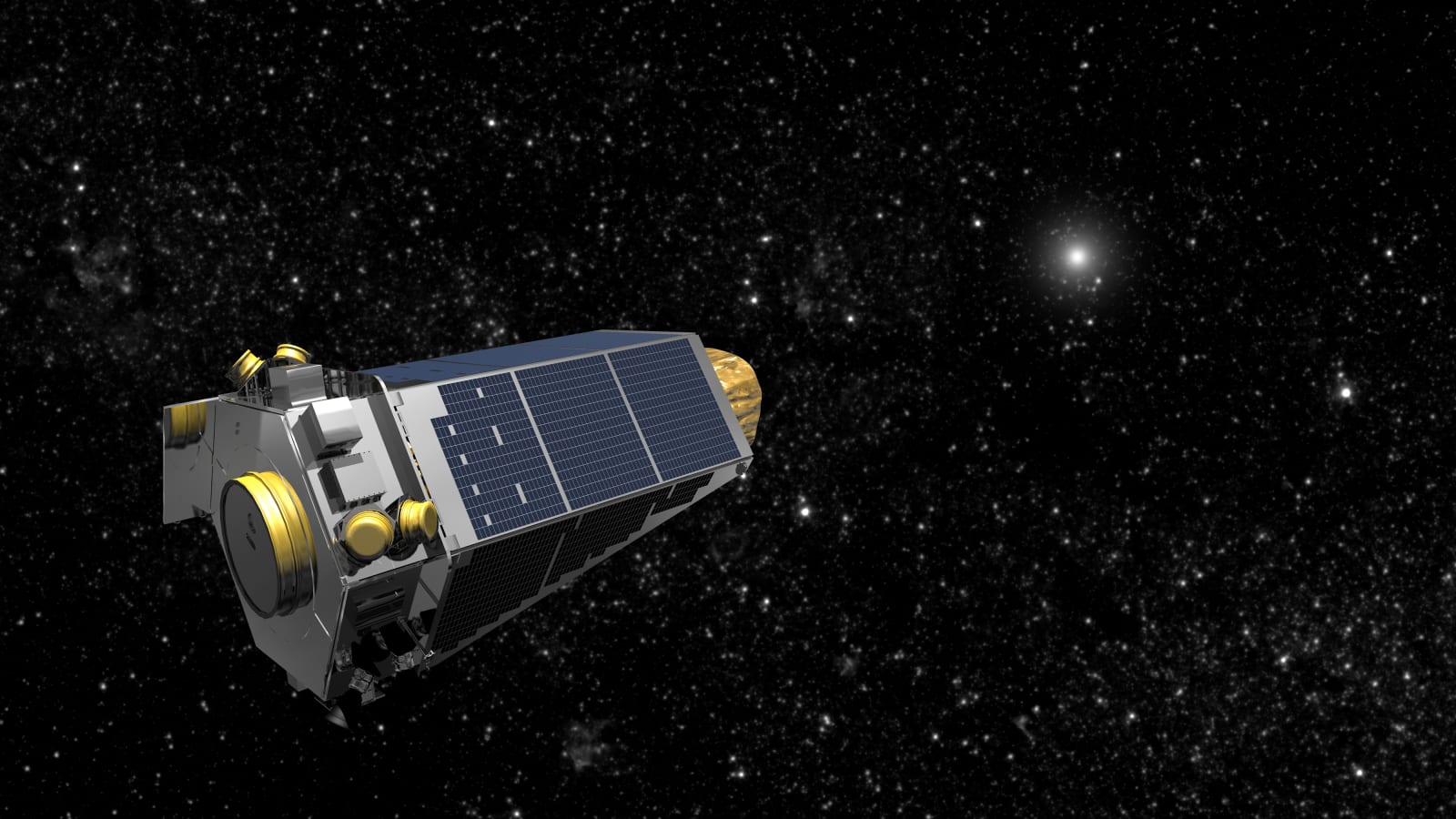
NASA’s Kepler spacecraft has been in orbit of the Earth for nine years. In that time, it’s well exceeded its original 3.5-year mission and has pinpointed over 4,500 exoplanets and candidates. It’s a little bit heartbreaking (though not unexpected), then, that NASA revealed that the spacecraft is on its last legs. Kepler will run out of fuel in the next few months and will soon be dead in space.
Kepler was originally designed to launch with a partially filled fuel tank, which would allow it to operate for a maximum of six years. However, when engineers weighed it before sending it into space, they found that it was actually below the weight threshold. They then proceeded to fully fill Kepler’s fuel tank, which is what has allowed the spacecraft to operate for so long.
Because Kepler is in an orbit around the Sun (which was necessary for its planet hunting), it can’t be refueled. While the craft is equipped with solar panels, those only power the electronics on Kepler. Its thrusters, which help it maintain the proper orientation, allow it to maneuver and orient its transmitters to submit data to Earth, are fuel-powered. Once fuel on the spacecraft runs out, NASA will shut down communications, and Kepler will be just another piece of space junk.
Don’t despair, though. Kepler’s successor, TESS (the Transiting Exoplanet Survey Satellite) is scheduled to launch on April 16th. It will continue its predecessor’s work, searching for exoplanets to add to our database.

 Since the birth of the space race in 1955 humanity has literally launched thousands of objects into orbit around the earth, all have limited lifespans. Everything from satellites used for communications, mapping, weather forecasting, and global positioning (GPS) tracking on earth to the booster rockets used to launch spacecraft from the hold of earth’s gravity. The amount of debris orbiting the Earth from both government and commercial sources is startling. The US Space Surveillance Network
 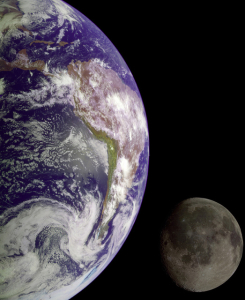 Imagine waking up on vacation in zero gravity. You float over to the window and look out on your view of the Earth just as the Sun peeks over the horizon. It’s almost impossible to pull yourself away from the breathtaking view but the knock on your door must be answered. Room service has arrived with your breakfast and it’s time to make the most of your vacation in this orbiting space hotel. With the advances made in recent years by commercial spaceflight companies, this future may be closer to reality than you think.